Revolutionizing Food Safety with Advanced Valves for Processing
The Role of Valves in Food Processing Safety
Importance of Sanitary Valves in the Food Industry
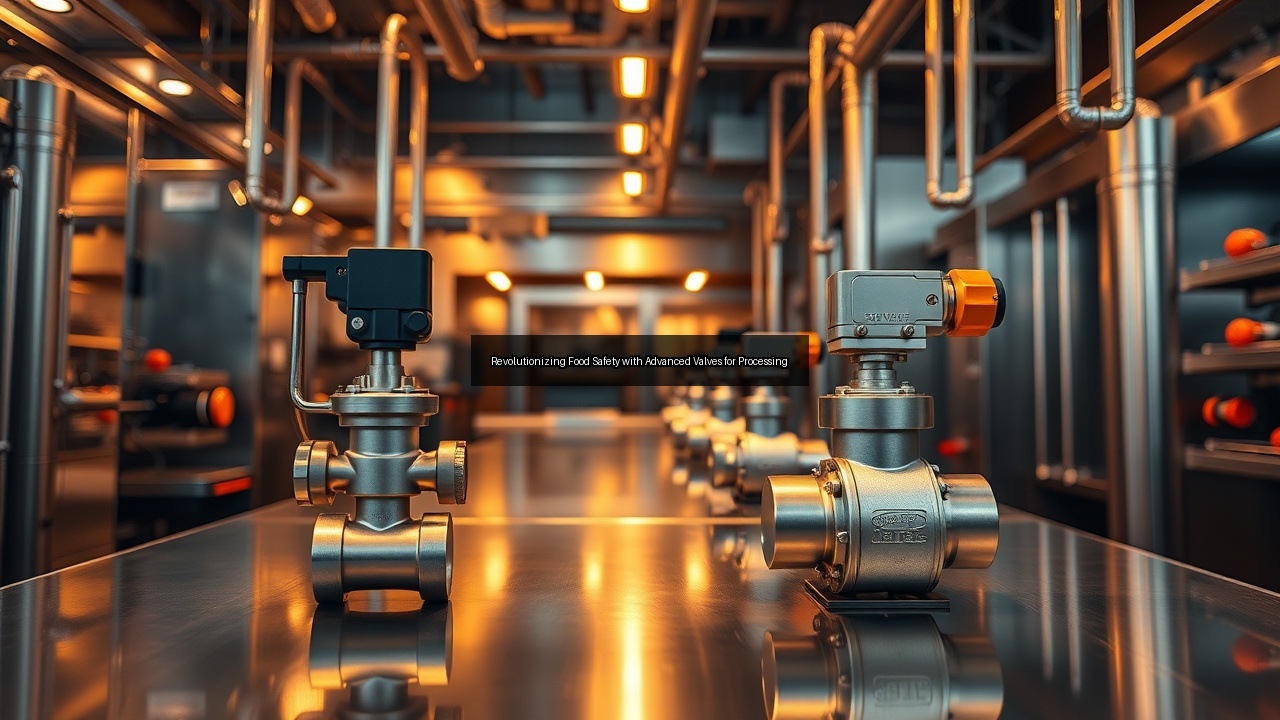
Sanitary valves play a crucial role in ensuring the safety and integrity of food products. In the food processing industry, hygiene is paramount. Contaminants can easily compromise the quality of food and beverages, leading to health risks and financial losses. Sanitary valves are designed to meet stringent health regulations, preventing contamination during processing and packaging. These valves feature smooth surfaces and minimal crevices, making them easy to clean and sanitize. The materials used in their construction, often stainless steel, resist corrosion and withstand high temperatures, ensuring durability. By incorporating sanitary valves food processing valves in food processing valve food processing operations, manufacturers can maintain compliance with FDA regulations and ensure that their products are safe for consumer consumption.
How Control Valves Enhance Food Safety
Control valves significantly enhance food safety by regulating the flow of liquids and gases in processing systems. These valves allow for precise adjustments in pressure and temperature, crucial factors that influence food safety. For instance, maintaining the correct temperature during pasteurization is vital to eliminate harmful microorganisms. Control valves facilitate this process by ensuring that the heating elements operate within safe parameters. They can also help maintain consistent flow rates, which is essential for achieving uniform mixing and ensuring that all ingredients receive adequate treatment. The integration of advanced technology in control valves allows for real-time monitoring and adjustments, further enhancing safety measures in food production. This proactive approach minimizes risks, ensuring high standards of quality and safety in food and beverage processing.
Safety Relief Valves: Protecting Against Overpressure
Safety relief valves serve as critical components in food processing systems by protecting equipment and maintaining safe operating conditions. Overpressure can lead to catastrophic failures, resulting in not only equipment damage but also potential contamination of food products. Safety relief valves automatically release excess pressure, preventing dangerous situations that could compromise food safety. These valves are essential in processes that involve steam, gases, or other pressurized fluids. In addition to safeguarding equipment, they also ensure compliance with industry regulations, as many safety standards require the installation of effective pressure relief mechanisms. By incorporating safety relief valves, food processing plants can enhance their safety protocols and minimize the risk of accidents, ultimately protecting both their products and consumers.
Types of Valves Used in Food Processing
Ball Valves: A Reliable Choice for Food Applications
Ball valves stand out as a reliable choice in the food processing industry due to their robust design and ease of use. These valves provide a simple yet effective way to control the flow of liquids and gases in food and beverage applications. Their spherical design allows for quick opening and closing, minimizing the risk of product contamination. Ball valves also feature a tight seal that prevents leaks, ensuring that food products remain uncontaminated during processing and packaging. Available in various sizes and materials, including sanitary options for hygienic applications, ball valves can accommodate a wide range of food processing needs. Their versatility extends to various applications, from fluid transfer in beverage production to managing ingredients in baked goods and confectionery. Overall, the reliability and efficiency of ball valves make them an essential component in ensuring food safety and quality.
Check Valves: Ensuring Fluid Integrity in Processing
Check valves play a vital role in maintaining fluid integrity within food processing systems. These valves prevent backflow, ensuring that processed fluids flow in one direction and do not contaminate raw ingredients or other finished products. In the food and beverage industry, where cross-contamination poses significant risks, check valves provide an essential barrier against unwanted fluid movement. They are particularly useful in systems that involve pumps, where maintaining proper flow direction is critical to operational efficiency. Check valves come in various designs, including spring-loaded and swing types, allowing manufacturers to select the best fit for their specific applications. By incorporating check valves into food processing systems, companies can enhance the safety of their operations, ensuring that the quality and integrity of their products remain uncompromised throughout the processing cycle.
Specialized Valves for Baked Goods and Confectionery
The production of baked goods and confectionery requires specialized valves that cater to unique processing needs. These valves must handle a variety of ingredients, including viscous mixtures, delicate creams, and even aerated batters. Specialized valves, such as diaphragm and pinch valves, provide the necessary precision and control for these applications. Diaphragm valves, for example, are ideal for handling sensitive ingredients, as they minimize shear forces and maintain the integrity of the product. Pinch valves offer the flexibility to control flow rates while preventing contamination, making them suitable for both solid and liquid components in baked goods and sweets. The choice of valve type impacts the overall quality of the final product, making it essential for manufacturers food processing valves to select valves that align with their specific processing requirements. By utilizing specialized valves, food processors can ensure that their baked goods and confectionery meet high standards of quality and safety.
Automated Systems and Their Impact on Food Safety
Integration of Valves in Automated Food Processing Systems
Automated systems have transformed the landscape of food processing, enhancing efficiency and safety through the integration of advanced technology. Valves play a central role in these systems, facilitating precise control over fluid dynamics in various processing stages. Automation allows for real-time monitoring of valve operations, ensuring optimal performance and quick response to any irregularities. This capability minimizes the risk of human error, a common factor in food safety breaches. Automated valves can also be programmed to operate based on specific parameters, such as temperature and pressure, further enhancing food safety measures. By integrating valves into automated food processing systems, manufacturers can achieve higher levels of consistency and safety while streamlining their operations for greater efficiency.
Advantages of Automation in the Beverage Industry
The beverage industry has particularly benefited from automation, with valves playing a crucial role in ensuring safety and quality. Automation enables precise control over ingredient mixing, carbonation levels, and bottling processes, critical factors that influence the final product's safety and taste. Automated valves allow for consistent flow rates and pressures, reducing the risk of contamination and ensuring that every batch meets quality standards. Moreover, automation improves tracking and traceability within the production line, enabling quick identification of potential issues. This capability is essential in the event of a recall, as it allows manufacturers to pinpoint the source of contamination rapidly. The advantages of automation extend to cost savings as well, reducing labor costs and minimizing waste in the beverage production process. By leveraging automated systems, companies can enhance their commitment to food safety while maintaining high productivity levels.
FDA Compliance and the Role of Valves in Safety Standards
Compliance with FDA regulations is non-negotiable in the food processing industry, and valves play a significant role in meeting these safety standards. The FDA establishes guidelines that govern the design and operation of equipment used in food processing, including valves. Adhering to these regulations ensures that manufacturers maintain high levels of hygiene and safety throughout their operations. Valves must meet specific criteria regarding materials, construction, and performance to qualify for FDA approval. This compliance guarantees that the valves used in food processing do not contribute to contamination and are safe for food contact. By prioritizing FDA compliance in their valve selection, food processors can enhance their operational integrity, protect consumer health, and foster trust in their brand. The right valves for food valves food processing applications processing not only ensure compliance but also uphold the quality and safety of food and beverage products, contributing to a healthier food supply chain.