Quality Control Insights from Top Supplement Contract Manufacturing Facilities
Understanding Quality Control in Supplement Contract Manufacturing
Importance of Quality Control in Nutraceuticals
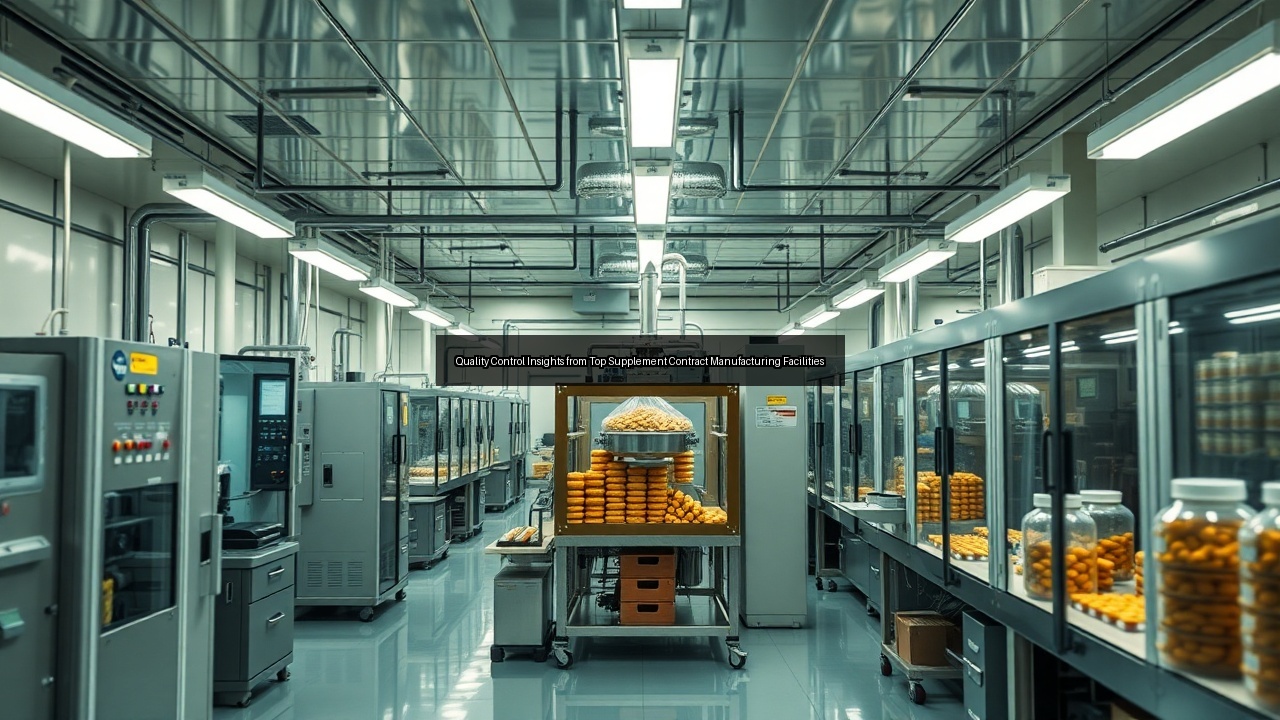
Supplement contract manufacturer operations place quality control at the center of every batch produced. Nutraceuticals demand precise standards because consumers rely on these products for daily health support. A single deviation in ingredient purity or potency can undermine trust across the entire supply chain. Leading facilities implement rigorous testing at multiple stages to verify that each nutritional supplement meets label claims. This approach protects brands and end users alike while meeting regulatory expectations from bodies that oversee dietary supplements. Quality control also drives consistency across different product formats such as powder, chewable tablets, and gelatin capsules. Manufacturers that prioritize these controls reduce recalls and strengthen long-term partnerships with B2B clients seeking reliable supplement contract manufacturing services. Experience shows that robust systems deliver measurable advantages in shelf stability and customer satisfaction for vitamins and supplements distributed worldwide.
Key Quality Control Measures for Dietary Supplements
Top supplement contract manufacturers apply layered quality controls throughout production. Incoming raw materials undergo identity testing and heavy metal screening before acceptance. In-process checks monitor blend uniformity for herbal supplements and other complex formulations. Finished goods receive microbial analysis and dissolution testing to confirm performance. Documentation trails every step, supporting full traceability demanded by modern supplement manufacturing solutions. Facilities maintain separate zones for vegetarian and gelatin capsules to prevent cross-contamination. Regular equipment calibration and environmental monitoring further safeguard product integrity. These measures align with current good manufacturing practices and help companies scale volumes without sacrificing standards. B2B partners benefit when a supplement contract manufacturer demonstrates transparent records during audits, reinforcing confidence in the final dietary and nutrition supplement delivered to market.
Insights from Leading Supplement Contract Manufacturers
Innovative Quality Control Practices
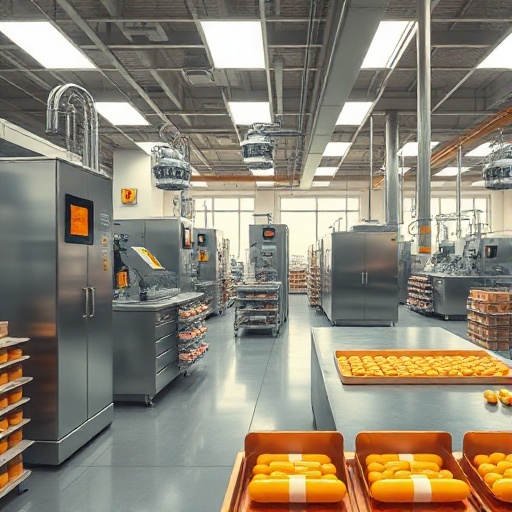
Forward-thinking supplement contract manufacturers adopt real-time monitoring tools that track critical parameters during blending and encapsulation. Near-infrared spectroscopy now verifies ingredient concentrations without halting lines, speeding throughput for high-volume nutritional supplements. Automated vision systems inspect chewable tablets for defects before packaging. These innovations complement traditional wet chemistry methods and elevate overall reliability. Manufacturers also integrate blockchain pilots that record every transfer of materials, enhancing transparency for clients who request detailed supply chain data. Such practices allow rapid identification of any anomaly and swift corrective action. B2B brands gain competitive edges when they partner with facilities that continuously refine these controls, ensuring consistent delivery of dietary supplements even as order fulfillment volumes increase.
Case Studies: Success Stories from Top Manufacturers
One prominent supplement contract manufacturer helped a startup launch a line of vegetarian herbal supplements by developing a stable powder blend that retained potency for 24 months. Another facility scaled production of chewable tablets for a national retailer, achieving uniform dosing across millions of units through enhanced mixing protocols. A third case involved streamlining gelatin capsule filling for a niche omega-3 product, cutting waste by 15 percent while maintaining strict quality controls. Each success hinged on close collaboration between formulation scientists and quality teams. These examples illustrate how supplement contract manufacturing services translate client concepts into market-ready dietary supplements that meet both regulatory and consumer expectations across varying batch sizes.
Transparency in the Manufacturing Process
Transparency separates leading supplement contract manufacturers from competitors. Clients receive access to batch records, third-party lab reports, and facility audit summaries upon request. Clear communication about sourcing origins builds trust when brands market ethical and sustainable nutritional supplements. Manufacturers that publish detailed process flowcharts allow B2B partners to understand exactly how raw materials become finished powder or tablets. This openness extends to supply disruptions, with advance notice enabling proactive planning. Transparency also covers allergen controls and cleaning validation, critical for multi-product facilities handling diverse dietary supplements. When a supplement contract manufacturer maintains such visibility, it strengthens relationships and supports compliance efforts across the supply chain.
Formulation and Scalability in Supplement Production
Custom Formulation Techniques for Health Supplements
Formulation expertise allows a supplement contract manufacturer to create unique health supplements tailored to specific market needs. Scientists adjust excipient ratios to improve flow for high-speed encapsulation of herbal supplements into vegetarian capsules. They also develop taste-masking strategies for bitter compounds destined for chewable tablets. Stability studies guide the selection of antioxidants that preserve potency in powder blends exposed to varying humidity levels. Custom work often incorporates trending ingredients while ensuring compatibility with existing manufacturing equipment. This flexibility helps brands differentiate their dietary supplements without investing in dedicated facilities. Close coordination between formulation and quality teams ensures every prototype meets the same rigorous standards applied to commercial volumes.
Scalability Challenges in Supplement Manufacturing
Scaling from pilot batches to full production presents distinct hurdles for supplement contract manufacturers. Equipment changeovers between powder and tablet lines require validated cleaning procedures to avoid cross-contamination. Larger volumes demand consistent raw material supply, prompting long-term contracts with ingredient vendors. Temperature and humidity control become more critical as batch sizes grow, affecting dissolution rates of chewable tablets and gelatin capsules alike. Experienced manufacturers anticipate these issues by conducting scale-up trials that mirror commercial conditions. They also optimize order fulfillment workflows to maintain on-time delivery even when client demand spikes. Addressing scalability early prevents costly delays and preserves the quality controls essential for dietary supplements.
Turnkey Solutions for Nutritional Supplements
Turnkey offerings from a supplement contract manufacturer simplify market entry for new brands. These solutions bundle formulation, sourcing, manufacturing, labeling, and 3PL logistics into one streamlined package. Clients supply product concepts while the facility manages everything from raw material qualification to final palletization of nutritional supplements. Turnkey models often include regulatory support for structure-function claims on dietary supplements. Manufacturers experienced in this approach coordinate multiple product formats, from single-ingredient powders to complex multi-vitamin chewable tablets. The result is faster time-to-market and reduced administrative burden for B2B partners seeking comprehensive supplement manufacturing solutions.
Sustainability and Ethics in Supplement Manufacturing
Sustainable Practices Among Supplement Manufacturers
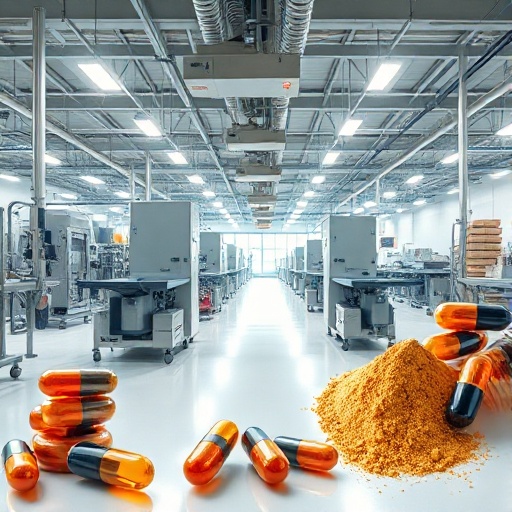
Leading supplement contract manufacturers reduce environmental impact through energy-efficient equipment and waste-minimization programs. Solar arrays power portions of some facilities, lowering the carbon footprint of producing dietary supplements. Water recycling systems support cleaning operations without compromising quality controls. Packaging teams shift toward recyclable materials for bottles containing powder or vegetarian capsules. These practices resonate with consumers who prefer sustainably produced health supplements. Manufacturers also track energy use per batch to identify further efficiencies as volumes increase. Sustainable operations demonstrate that high standards in supplement contract manufacturing can align with responsible resource management.
Ethical Sourcing of Ingredients for Dietary Supplements
Ethical sourcing underpins credibility for any supplement contract manufacturer. Facilities verify that botanical ingredients for herbal supplements originate from growers who follow fair labor standards. Traceability programs document every supplier tier, ensuring no conflict minerals or endangered species enter the supply chain. Third-party certifications for organic and non-GMO status add another layer of assurance for nutritional supplements. When brands market these credentials, they strengthen consumer loyalty. Manufacturers that invest in ethical programs also benefit from stable pricing and supply reliability, supporting consistent production of dietary and nutrition supplement lines across seasonal fluctuations.
The Future of Supplement Contract Manufacturing
Emerging Trends in Nutritional Supplement Manufacturing
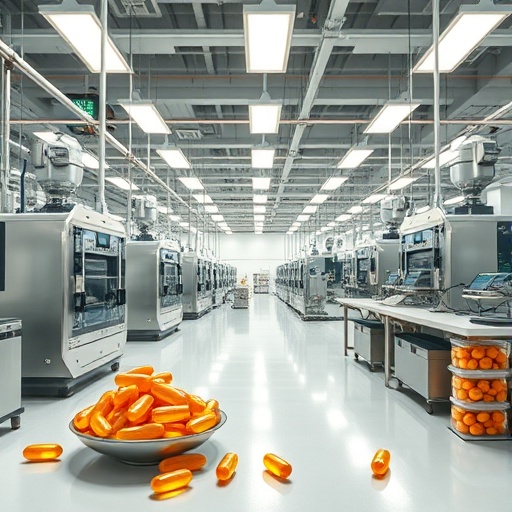
Personalized nutrition represents a major growth area for supplement contract manufacturers. Facilities now prepare small-batch custom blends based on individual biomarker data, moving beyond standard multivitamins. Plant-based alternatives to gelatin capsules gain traction as vegetarian options expand. Functional gummies and effervescent powders address demand for convenient formats in the health supplements category. Manufacturers also explore adaptogen combinations and microbiome-focused products to meet evolving consumer preferences. These trends require agile formulation teams and flexible production lines capable of handling both niche and high-volume runs while upholding strict quality controls.
The Role of Technology in Quality Control
Advanced analytics and machine learning enhance quality oversight in modern supplement contract manufacturing facilities. Predictive models flag potential deviations in blend uniformity before they occur, allowing preemptive adjustments. Digital twins simulate production lines to optimize throughput without risking actual batches of dietary supplements. IoT sensors provide continuous data on temperature, humidity, and equipment performance across powder and tablet operations. These technologies complement human expertise and reduce variability in final products. B2B clients gain confidence knowing their nutritional supplements benefit from data-driven safeguards that evolve with industry standards and regulatory expectations.
See Also
- Sustainability in Supplement Manufacturing Trends You Need to Know
- The Benefits of Partnering with a Turnkey Supplement Contract Manufacturer
- The Future of Herbal Supplements and the Role of Contract Manufacturers
- Unlocking the Secrets of Supplement Contract Manufacturers for Your Nutraceutical Brand