How Neoprene Isolation Mounts Enhance the Performance of Compressors
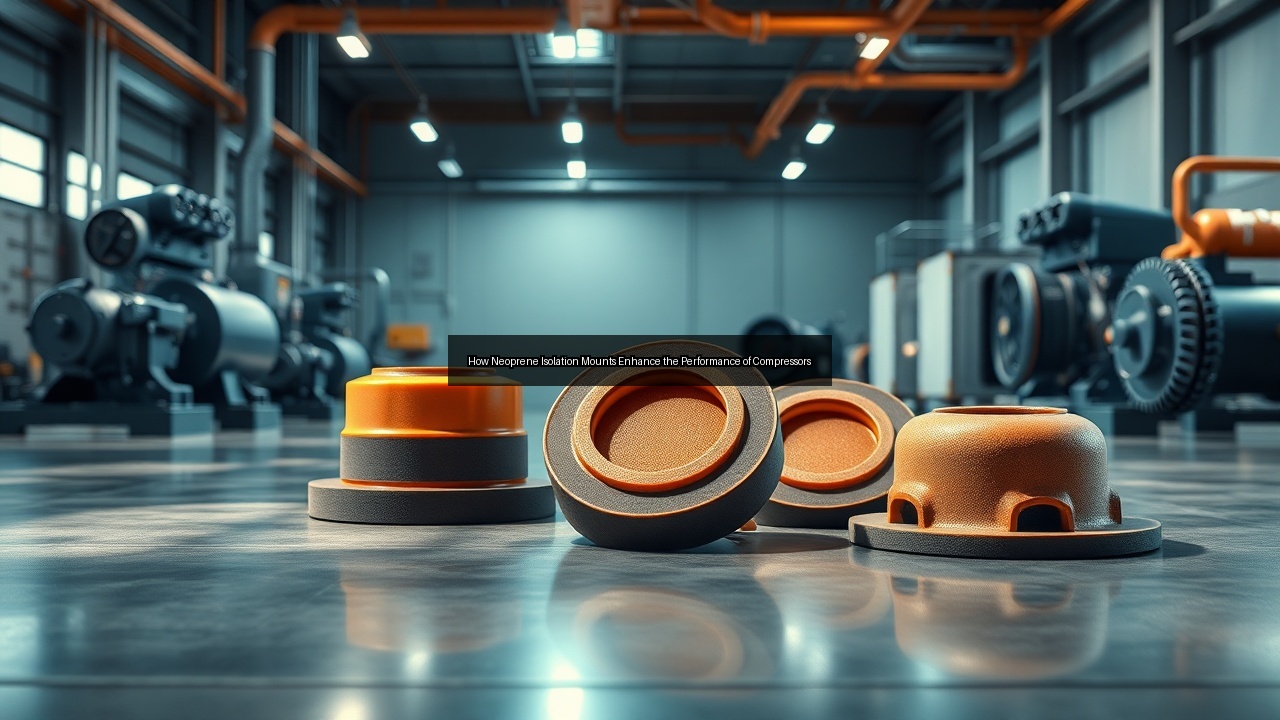
Understanding Neoprene Isolation Mounts in HVAC Systems
The Role of Neoprene in Vibration Isolation
Neoprene isolation mounts serve as essential vibration isolators that absorb and dampen oscillations generated by rotating equipment in HVAC setups. These mounts use the material's inherent elasticity to separate the compressor from the supporting structure, preventing energy transfer that would otherwise travel through the floor and into surrounding spaces. By positioning neoprene between the compressor base and its foundation, technicians achieve consistent isolation across varying frequencies, which stabilizes overall system operation and extends equipment life. HVAC neoprene mounts integrate seamlessly with belt drives and clutches, ensuring that transmitted forces do not disrupt nearby tubings or gears. Operators report quieter environments and fewer structural complaints once these mounts replace rigid connections, because the material converts vibrational energy into minimal heat rather than allowing it to propagate further.
Advantages of Neoprene Over Other Materials
Neoprene outperforms natural rubber and foam alternatives in durability and resistance to oils, ozone, and temperature swings common in compressor rooms. Its closed-cell structure maintains shape under continuous load, unlike softer pads that compress permanently and lose effectiveness. HVAC neoprene mounts deliver superior shear resistance, protecting compressor housings from lateral stresses that arise during startup and shutdown cycles. Compared with metal spring isolators, neoprene versions require no additional damping layers and resist corrosion without special coatings. Facilities that switch to neoprene vibration pads notice immediate reductions in maintenance calls related to loosened fasteners and cracked mounts, because the material bonds reliably to both metal bases and concrete surfaces while accommodating minor misalignments during installation.
Key Features of Neoprene Isolation Mounts
Standard neoprene mounts feature a sandwich construction that combines dense outer layers with a softer core to maximize deflection without bottoming out. Load ratings range from light-duty pads supporting small rooftop units to heavy-duty blocks rated for industrial compressors exceeding several tons. HVAC neoprene mounts often include embedded steel plates that distribute weight evenly and accept anchor bolts for seismic regions. Many models arrive as self adhesive versions that speed attachment to clean surfaces and eliminate the need for separate fasteners in low-vibration applications. The material's durometer selection allows engineers to tune natural frequency below the operating RPM of the compressor, creating an effective barrier against resonance that could otherwise amplify noise through the entire duct network.
How Neoprene Mounts Improve Compressor Performance
Minimizing Vibration and Noise
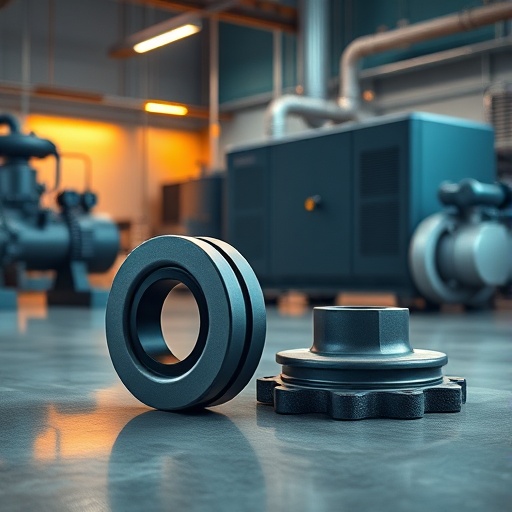
Properly selected HVAC neoprene mounts cut transmitted vibration by up to 90 percent, turning audible rumble into barely perceptible hum. The isolation layer interrupts the path from compressor crankcase to building structure, so occupants above or beside mechanical rooms experience far less disturbance. Neoprene's damping coefficient absorbs broadband frequencies produced by piston or scroll compressors alike, preventing harmonics from traveling through walls or ceilings. Technicians verify effectiveness with accelerometers placed on the floor before and after installation, confirming that residual vibration falls below perceptible thresholds. Reduced noise also improves worker safety and comfort in equipment rooms where prolonged exposure to high decibel levels previously required hearing protection.
Enhancing RPM Stability
Stable RPM operation depends on consistent torque delivery without external disturbances feeding back into the motor. Neoprene mounts isolate the compressor housing so that floor-borne vibrations cannot influence shaft alignment or belt tension. This separation keeps the compressor running at its designed speed under fluctuating loads, improving volumetric efficiency and reducing power draw spikes. Facilities monitoring energy consumption after retrofit notice smoother amperage curves because the motor no longer works against oscillating forces transmitted through rigid mounts. Consistent RPM also protects downstream components such as clutches and gears from sudden speed variations that shorten service intervals.
Reducing Shear Forces on Components
Shear forces generated during compressor operation stress welds, bolts, and tubing connections when mounts allow lateral movement. Neoprene isolation mounts limit this motion through high lateral stiffness while still providing vertical compliance. The resulting reduction in cyclic loading prevents fatigue cracks in manifold flanges and extends the life of refrigerant lines. Compressors mounted on neoprene pads maintain factory alignment longer, so couplings and belt drives require fewer adjustments. Maintenance crews document fewer seal replacements and less refrigerant leakage once shear-related stress diminishes, translating directly into lower operating costs and higher system reliability across multi-unit installations.
Applications of Neoprene Mounts in Various Settings
Use in HVAC Systems
HVAC neoprene mounts appear under air handlers, chillers, and rooftop compressors where space constraints demand compact yet effective isolation. Installers place neoprene vibration isolation mounts between unit bases and steel beams or concrete curbs, ensuring that fan and compressor noise does not radiate into occupied zones. The mounts accommodate thermal expansion without binding, maintaining isolation even when equipment cycles through wide temperature ranges. Building owners appreciate the low profile of neoprene pads that fit within standard curb heights while still delivering measurable noise reduction certified by acoustic consultants. Integration with spring hangers for suspended ductwork creates a complete isolation strategy that addresses both equipment and distribution noise sources.
Integration in Trucks and Trailers
Mobile refrigeration units on trucks and trailers rely on neoprene mounts to protect compressors from road-induced shocks. The material withstands constant vibration from uneven surfaces while resisting degradation from diesel exhaust and road salts. Cab comfort improves when compressor vibration no longer transmits through the chassis into the driver area. Fleet managers specify neoprene rubber mounts because they retain elasticity across seasonal temperature extremes that would crack standard rubber compounds. Quick-change designs allow roadside replacement without specialized tools, minimizing downtime during peak delivery seasons when reliable cooling remains critical for cargo integrity.
Application in Industrial Compressors
Heavy-duty industrial compressors in manufacturing plants use larger neoprene mounts rated for continuous high-load service. These mounts isolate reciprocating forces that would otherwise fatigue nearby foundations and disrupt precision machinery. Sandwich-style isolators placed under each corner absorb both vertical and horizontal motion, protecting adjacent gears and control panels from transmitted energy. Plants that adopt neoprene vibration isolators report fewer nuisance trips of vibration sensors installed on neighboring equipment. The mounts also simplify future equipment relocation because they require no grouting or permanent fasteners, allowing rapid reconfiguration of production lines without extensive floor repairs.
Sustainability and Innovation in Neoprene Mount Technology
Eco-Friendly Manufacturing Practices
Modern production of HVAC neoprene mounts incorporates recycled content and closed-loop processes that reclaim scrap material during molding. Manufacturers reduce solvent use in vulcanization by adopting water-based curing systems, lowering volatile emissions at the factory. Facilities track carbon footprints per mount and offer take-back programs that grind worn isolators for reuse in lower-grade products. These practices align with corporate sustainability goals while maintaining the performance characteristics required for reliable vibration isolation across demanding compressor applications.
Advancements in Elastomeric Materials
Recent elastomeric formulations blend neoprene with specialized polymers to increase temperature resistance and fatigue life. Enhanced compounds maintain damping properties after millions of compression cycles, extending replacement intervals in continuous-duty compressors. Researchers refine filler packages to improve oil resistance without sacrificing flexibility, allowing neoprene mounts to perform in environments previously limited to more expensive silicone options. The resulting products deliver longer service life while preserving the cost advantage that makes neoprene the preferred choice for most HVAC and industrial mounting needs.
Future Trends in Vibration Isolation
Emerging sensor-embedded mounts will provide real-time data on deflection and temperature, enabling predictive maintenance before performance degrades. Additive manufacturing techniques may soon produce custom-shaped neoprene isolators that match unique compressor footprints, optimizing contact area and load distribution. Hybrid designs combining neoprene layers with tuned mass dampers promise further noise reductions in sensitive installations. These developments continue to push vibration isolation performance while supporting broader industry moves toward longer-lasting, lower-maintenance equipment solutions.
Installation and Maintenance of Neoprene Mounts
Self-Adhesive Mounts: An Easy Solution
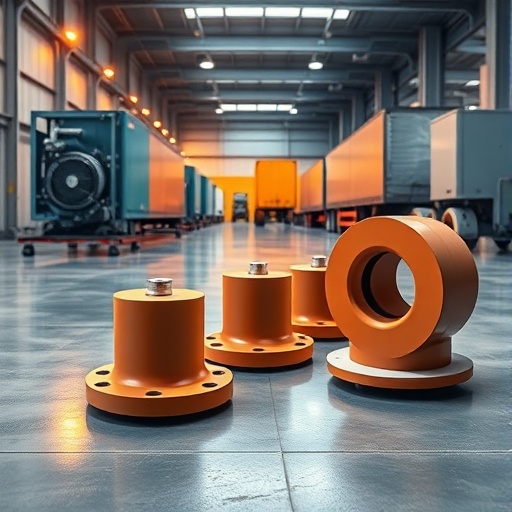
Self adhesive neoprene mounts simplify retrofit projects by bonding directly to cleaned compressor bases and support surfaces. Installers peel the protective liner, position the pad, and apply firm pressure to achieve immediate hold without drilling or curing time. These versions suit lighter HVAC equipment where shear loads remain moderate and frequent repositioning may occur during commissioning. Proper surface preparation with solvent wipes ensures maximum bond strength, preventing delamination that could compromise isolation over time. Many contractors stock self adhesive pads for quick service calls that restore quiet operation without extended equipment shutdowns.
Tips for Proper Installation of Mounts
Successful mounting begins with accurate load calculations that match each compressor's weight distribution to appropriately rated neoprene pads. Technicians level the equipment first, then insert shims if needed to avoid uneven compression that reduces isolation effectiveness. Anchor bolts should pass through oversize holes in the mount's metal plate to prevent binding during thermal movement. Torque values must follow manufacturer specifications to avoid crushing the neoprene and losing its damping capability. Final alignment checks confirm that belt drives and couplings remain true once the compressor rests fully on the new mounts, eliminating secondary vibration sources introduced during the changeover.
Maintenance Best Practices for Longevity
Routine inspections every six months verify that neoprene surfaces remain free of oil saturation and that no cracks have formed along edges. Technicians measure mount height under load to detect permanent compression that signals replacement time. Cleaning with mild detergent removes accumulated dirt that might otherwise embed and accelerate wear. Replacement schedules align with compressor overhauls so that fresh mounts coincide with bearing or seal service, minimizing separate downtime events. Proper documentation of installation dates and load conditions helps facilities forecast inventory needs and maintain consistent vibration control across their entire HVAC or industrial compressor fleet.
See Also
- The Secret to Vibration Control in HVAC Systems Using Neoprene Isolators
- The Science Behind Neoprene Elastomeric Mounts and Their Shear Resistance
- Understanding the Role of Neoprene Pads in Reducing Noise in HVAC Units
- The Impact of Neoprene Vibration Pads on HVAC System Longevity
- From Trucks to Trailers Neoprene Mounts are Revolutionizing HVAC Installations